Author: student

  • AI in Sports: Training Smarter, Not Just Harder

    Artificial intelligence is becoming more common in sports because teams want better ways to understand performance. Many teams now use data, sensors, and video analysis to study how athletes move, train, and compete. This information can show details that are difficult to notice by watching alone. My main idea is that AI helps athletes train smarter, not just harder, by giving them clearer feedback and more accurate information.

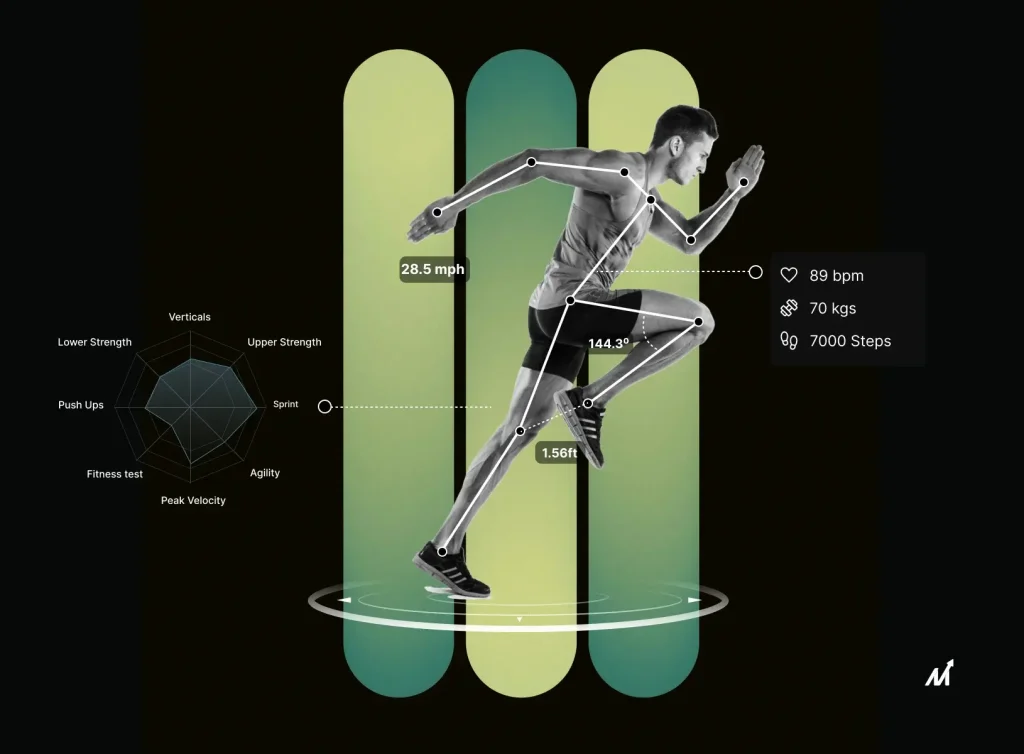
    AI can study speed, heart rate, movement, fatigue, and technique during training. Coaches can use this information to create better training plans that match each athlete’s needs. Instead of guessing what a player should improve, AI can show specific areas that need work. For example, a football player could use AI data to improve sprinting speed, reaction time, and running form during practice.

    AI can also help with injury prevention because it can notice patterns that humans might miss. It can detect signs of overtraining, poor movement habits, or repeated stress on muscles and joints. This is important because athletes often push themselves too hard without realizing the risk. By finding warning signs early, AI can help coaches adjust training before an injury happens, making sports safer for athletes.

    In my opinion, AI makes sports better because it gives athletes and coaches useful information. However, I do not think it should replace human instinct, experience, or effort. Sports still depend on passion, teamwork, skill, and good coaching. AI is a useful tool, but athletes and coaches still matter most.
  • How AI Is Improving the Fan Experience in Sports

    Sports are not only changing for athletes, but also for fans. Today, AI can help create faster highlights, better statistics, smarter predictions, clearer replays, and personalized content for different viewers. Instead of only watching the final score, fans can understand why a team is winning, how players are performing, and what moments are most important. This makes games easier to follow and much more interesting.

    AI can show advanced statistics during matches in a way that is quick and easy to understand. For example, fans might see player speed, pass accuracy, shot probability, expected goals, win probability, or performance comparisons between players and teams. These details make sports more exciting because they show more than just the score. Fans can see the effort, strategy, and small decisions that affect the result of a match. It adds context to every play.

    AI also helps with media and highlights by finding important moments from a game quickly. It can create short highlight videos, recommend clips based on what fans like, and help broadcasters choose the best camera angles for replays. This is useful because not every fan has time to watch a full match. If someone misses a game, AI can help them catch up quickly and still understand the most important parts.

    I like this change because it makes sports easier to understand and more exciting for fans. However, one concern is that too many statistics could make sports feel less natural or emotional. Fans should still enjoy the live atmosphere, surprises, and passion of the game. I think AI should support the fan experience, not replace the emotion of watching live sports.

  • How AI Is Changing Sports Performance

    I have always found the connection between technology and sports interesting, especially when it comes to artificial intelligence. AI is becoming a major part of modern sports because it helps athletes, coaches, and teams understand performance in a much deeper way. Instead of relying only on what people can see during a match or training session, AI can collect and study large amounts of data quickly.

    One reason I like AI in sports is because it can help athletes improve. For example, AI can track how fast a player runs, how they move, how much energy they use, and even how their technique changes over time. This information can help athletes see exactly what they need to work on. It makes training more personal because every athlete has different strengths and weaknesses.

    AI can also help reduce injuries. In sports, injuries can seriously affect an athlete’s career. AI systems can study body movement, workload, and fitness levels to notice signs of fatigue or possible injury risks. This means coaches can adjust training before a problem becomes serious.

    Another important benefit is decision-making. Coaches can use AI to study opponents, review tactics, and choose better strategies. In team sports, small decisions can change the result of a game, so having accurate information is very useful.

    Overall, I think AI is making sports smarter and more advanced. It does not replace talent, effort, or teamwork, but it supports them. To me, AI in sports is exciting because it shows how technology can help athletes perform at their best while making sports safer and more competitive.